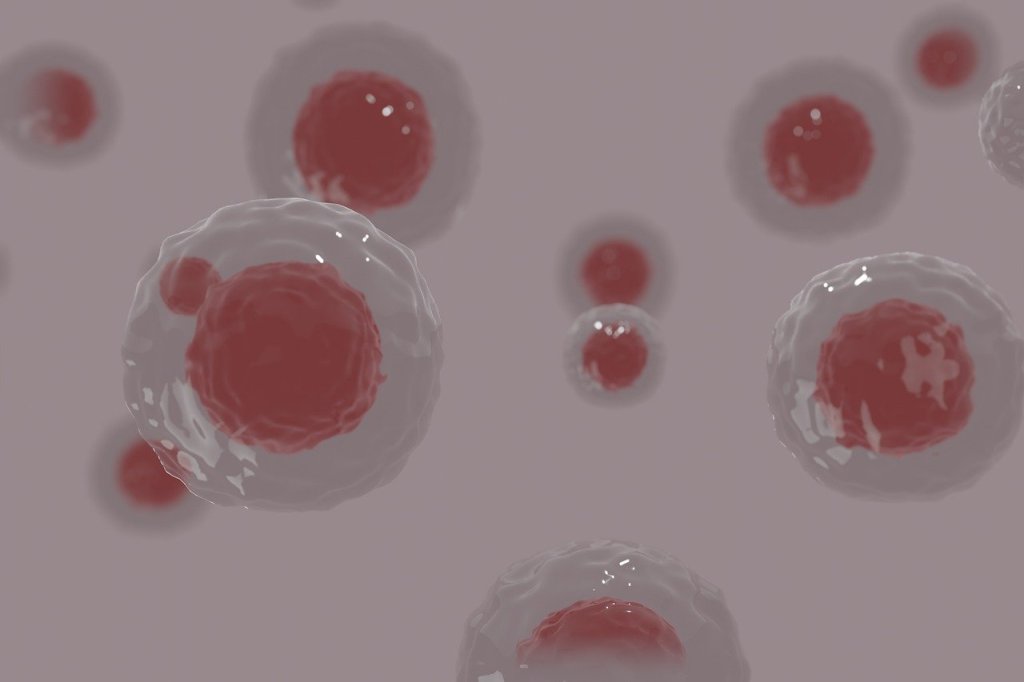
The term cancer does not refer to a single disease, but denotes a collection of many different diseases related by certain qualities. Depending upon the definition used, we can identify at least one hundred different types of cancer. Traditionally, cancer biologists have been splitters, considering each cancer as a separate disease based upon its cell of origin.
Cancer cells are derived from normal human cells and therefore retain many features of the original cells. For example, breast cancer cells may have hormone receptors like estrogen and progesterone, just like healthy breast cells. Prostate cancer cells produce prostate-specific antigen (PSA), just like healthy prostate cells, which can be measured in the blood.
Almost every type of cell in the human body is potentially cancerous. There are cancers of solid organs and tissues, with lung, breast, colon, prostate, and skin cancers being the most common. There are also cancers of the blood, sometimes termed “liquid” cancers, as they don’t present with a single large tumor (mass of cancer cells). These include diseases such as leukemia, myeloma, and lymphoma.
Each type of cell causes a different type of cancer with individual natural histories and prognoses. Breast cancer behaves and is treated completely differently from, say, acute leukemia. Splitting cancers into individual diseases can therefore be useful in treatment, but doing so highlights their differences, not their similarities. When we focus on the unique characteristics of the various types of cancer, we don’t get any closer to unraveling the mystery of cancer as a single entity.
Cancer cells continue to replicate and grow, whereas normal cells do not. The human body contains trillions of cells, so growth must be tightly regulated and coordinated. During childhood and ado-lescence, the birth of new cells outpaces the death of old cells, so the child grows larger. Upon adulthood, the number of new cells created is precisely matched by the death of old cells, so overall growth stops.
Delicate balance is lost in cancer, which continually grows, leading to abnormal collections of cancer cells, called tumors. Normal cell growth is tightly regulated by hormonal pathways, which are controlled by genes. There are genes that increase growth, called proto-oncogenes, and genes that decrease growth, called tumor suppressor genes. The two kinds of genes act like the accelerator and brakes in your car. Proto-oncogenes accelerate growth. Tumor suppressor genes decelerate growth. Normally, these genes operate in balance with each other.
Abnormal growth of cells can occur if proto-oncogenes are excessively activated (like stepping on the gas pedal) or tumor suppressor genes are suppressed (like taking your foot off the brake pedal). In certain normal situations, such as wound healing, growth pathways are activated for a short period of time. Once the wound is healed, growth should once again slow to neutral. But cancer cells maintain this proliferative signaling, creating growth when it is no longer advantageous to do so. When genetic mutations cause excess activation of proto-oncogenes, they are then referred to as oncogenes.
Cancers are not simply a giant glob of growing cells that absorb everything in their path, like the titular character in the classic science-fiction movie The Blob. Cancer cells face many challenges in their quest to grow into a large tumor, and even more challenges when they metastasize. At different times, a cancer must proliferate, grow new blood vessels, and break off to metastasize. A single genetic mutation is not usually capable of doing all these things.
Many normal genes in our body actively suppress cell growth. The first tumor suppressor gene (R) was discovered in retinoblas-toma, a rare type of eye cancer in children. A genetic mutation that inactivates the Rb gene releases the brakes on cell growth, which favors growth and hence the development of cancer.
Some of the most commonly affected genes in cancer are tumor suppressor genes, including p53, which is estimated to be mutated in up to 50 percent of human cancers. The well-known tumor suppressor genes called breast cancer type 1 and type 2, usually abbreviated as BRCA1 and BRCA2, are estimated to be responsible for 5 percent of total breast cancer.
Overall tissue growth is simply the difference between how many cells are created and how many cells die. When normal cells grow old or become damaged beyond repair, they undergo programmed cell death in a process known as apoptosis. This normal cellular expiration date keeps our body running smoothly by allowing a natural turnover of cells.
Red blood cells, for example, live for an average of only three months before they die, to be replaced by new red blood cells. Skin cells are replaced every few days. It’s like changing the oil in your car’s engine. Before putting new oil in, you must first drain the old oil out. In the body, old or damaged cells must be culled to allow room for new cells to replace them. Apoptosis is the orderly disposal of a cell when it has outlived its useful life.
Cell death occurs either through necrosis or apoptosis. Necrosis is an unintentional, uncontrolled cell death. If you accidentally hit your finger with a hammer, your cells are killed in a haphazard and disorderly fashion. The contents of a cell are splattered as when an egg hits a sidewalk. This is a huge mess, causing significant inflammation that the body must work hard to clean up. Necrosis is a toxic process that should be avoided whenever possible.
Apoptosis is an active process that requires energy. This controlled cell deletion is so crucial for survival that apoptosis has been evolutionarily conserved in living creatures ranging from fruit flies to worms to mice to humans.* The difference between apoptosis and necrosis is the difference between throwing a nice, well-planned dinner party and having your partner bring twenty rowdy coworkers home unannounced.
Apoptosis, this mechanism of controlled cell deletion, is common to all multicellular organisms. Allowing old cells (like skin cells to die and replacing them with new ones rejuvenates the organism as a whole, although the individual cell must die. To avoid excessive growth, the number of old cells removed must be carefully balanced by the number of newer, replacement cells. Cancer cells resist apoptosis, changing the balance of cell division and cell death and allowing for excessive growth. If fewer cells are dying, then the overall tissue is likely to grow, favoring cancer.
Source : The Cancer Code: A Revolutionary New Understanding of a Medical Mystery by Jason Fung
Goodreads : https://www.goodreads.com/book/show/52163526-the-cancer-code
Read Previous Article in Series : https://thinkingbeyondscience.in/2024/12/19/the-nature-of-cancer-why-some-tumors-are-deadly/
Read Next Article on the topic :








 Thinking Beyond Science
Leave a reply to The Nature of Cancer: Why Some Tumors Are Deadly – Thinking Beyond Science Cancel reply