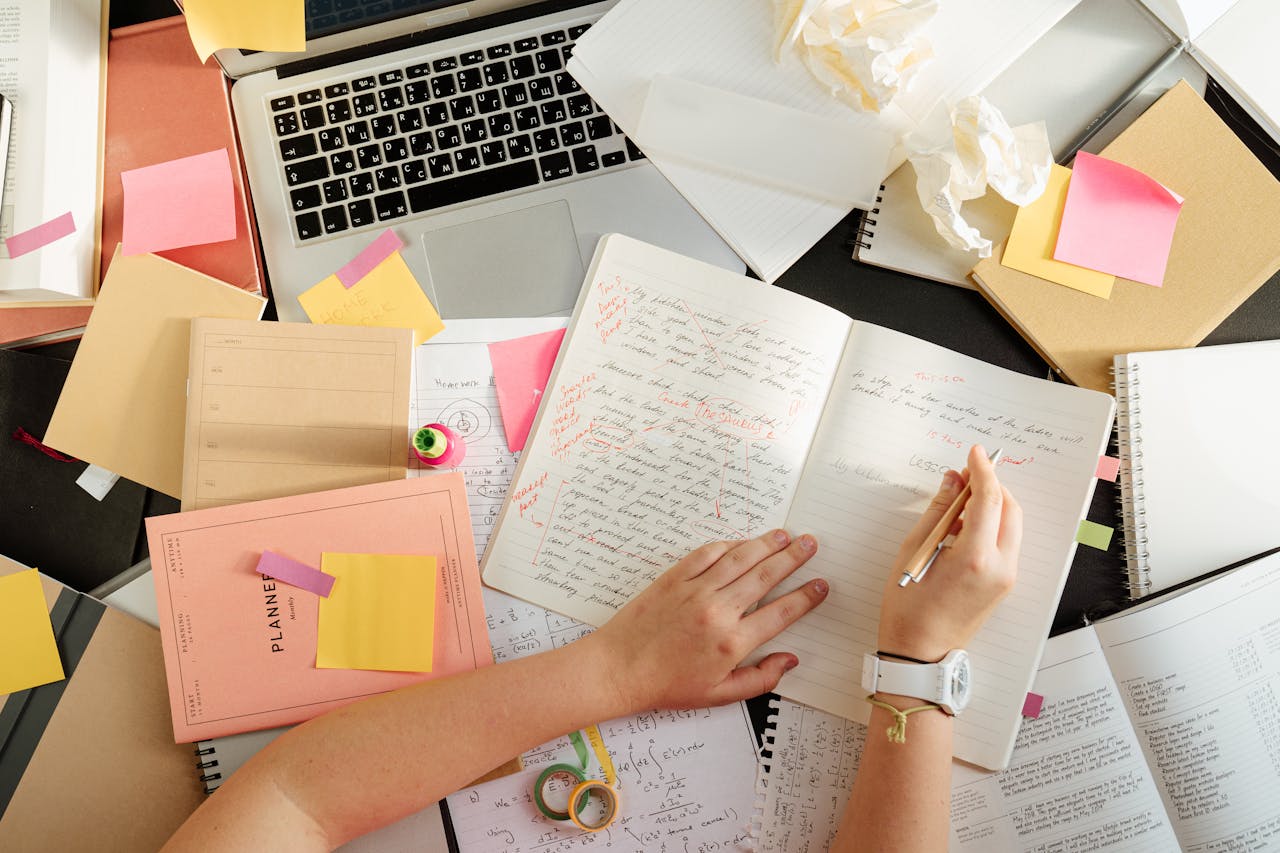
We invest deeply in our physical surroundings—buying nice furniture, deliberating for weeks over wall colors, and fiddling with plant and book placements. We know lighting, temperature, and layout dramatically shape how we feel and think. There’s a name for this: the Cathedral Effect. Studies show environments powerfully influence cognition. High ceilings, like in grand churches evoking heaven’s vastness, spark abstract thinking. Low ceilings, such as in a compact workshop, promote concrete focus.
Yet, when it comes to digital workspaces—where knowledge workers like us spend hours on computers, smartphones, and the web—we rarely optimize them. Without deliberate arrangement to support desired thinking, every minute feels taxing and distracting. Just as we curate physical spaces for calm and centeredness, we must shape virtual ones for productivity and creativity.
The Trap of Perfectionism in Organizing
One big temptation in organizing is perfectionism, treating it as an end rather than a means. Order feels inherently satisfying, but it’s easy to stall there instead of developing and sharing knowledge. Beware accumulating so much information that managing it consumes time, leaving none to apply it in the real world.
Life’s Interruptions and Fading Insights
You consume books, articles, videos, and social posts packed with insights, but chances are slim you’ll act on them instantly. Life intervenes—work crises, school meetings, unexpected illnesses—pulling us from priorities. The more we push to focus, the more emergencies arise.
Consider: A YouTube video on home renovation today applies months later when you move. Time management tips from an article shine at year’s end with a new baby. Sales prospect details matter next year during big contract bids. Ideas captivate us in the moment—we feel enraptured, obsessed, convinced they’ve changed us forever. But hours, days, or weeks later, they fade to pale shadows. As note-takers, our job is to preserve discoveries so excitement compounds over time, not dissipates.
Boost Discoverability to Combat the Paradox
Discoverability—from information science—measures how easily content surfaces in searches of files, databases, or systems. Librarians use it for shelf layouts, web designers for site menus, and social platforms to surface top content.
It’s often missing from personal notes. Saving tons is easy; making them future-accessible is hard. A simple fix: highlight key points, a school habit that’s intuitive, low-effort, and app-agnostic.
Yet here’s the paradox: More notes mean more review time, less discoverability overall. Volume discourages note-taking or sparks endless tool-switching, squandering knowledge’s compounding power.
Take control—curate your digital spaces like your home, fight perfectionism, preserve insights against life’s chaos, and prioritize discoverability. Your thinking, productivity, and ideas will thrive.
Source : Building a Second Brain: A Proven Method to Organize Your Digital Life and Unlock Your Creative Potential by Tiago Forte
Goodreads : https://www.goodreads.com/book/show/59616977-building-a-second-brain
Read the Previous Article in the Series :





Leave a Reply