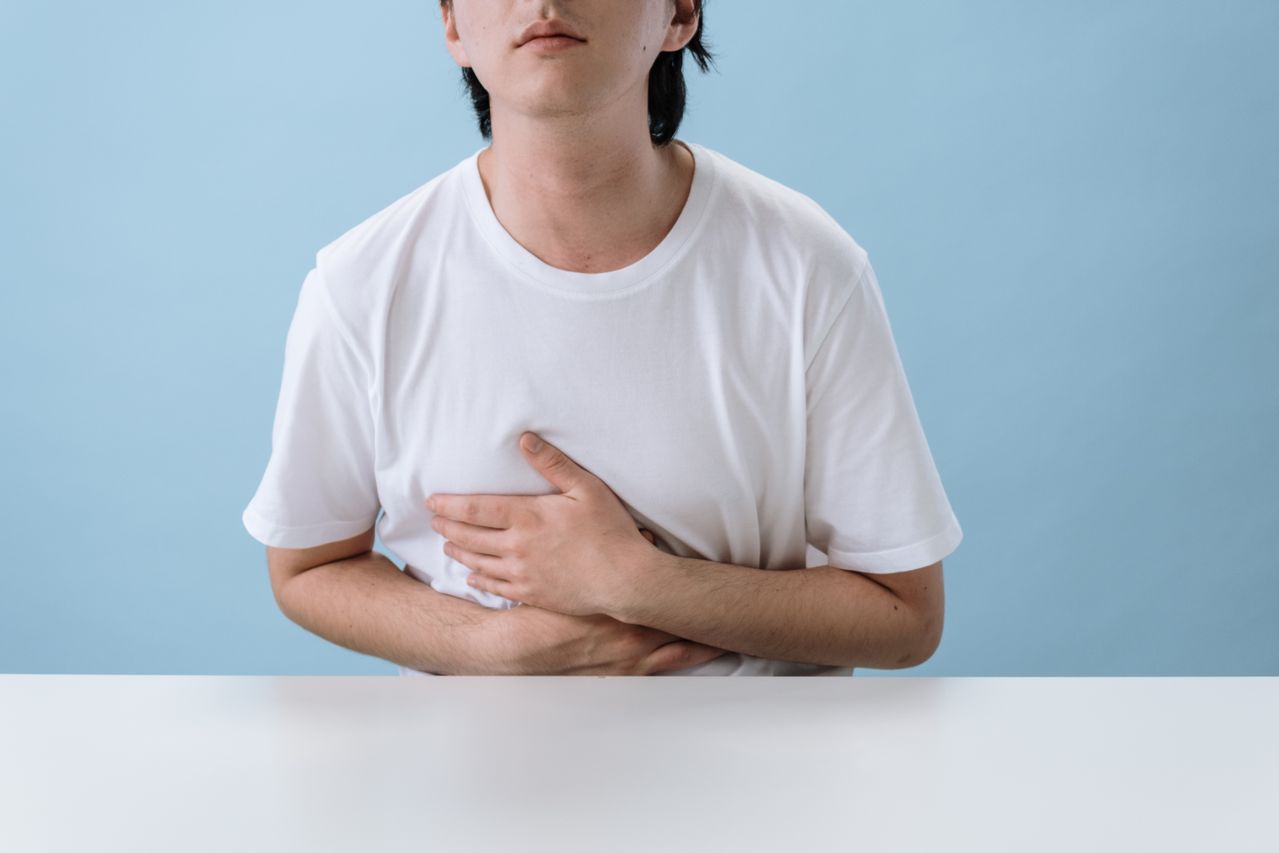
We talk a lot about eating well. We count calories, track macros, and debate the merits of keto versus clean eating. But very few of us stop to appreciate the extraordinary machinery running quietly inside us — processing every bite with a precision and patience that no nutritional app can replicate. Here’s what’s actually happening from your small intestine to your large one, and why understanding it might change how you think about food.
The Small Intestine: Where the Real Decisions Happen
If digestion were a company, the small intestine would be its most important department. This is where the maximum surface area of your gut meets food broken down to its absolute tiniest pieces. It’s the site of critical quality control: Can you tolerate lactose? Is this food safe? What’s triggering your allergic reaction? All these decisions happen here.
The process is elegant. Digestive enzymes act like tiny molecular scissors, snipping away at food until it’s reduced to its most basic components — sugar molecules, amino acids, and fats. And here’s a humbling thought: at this biological level, there is no difference between an apple tree and a cow. Everything we eat comes from living things, and all living things are made of the same basic building blocks. Your enzymes don’t care whether lunch came from a field or a farmyard.
Sugar: Your Body’s Complicated Relationship
Sugar is not the villain it’s sometimes made out to be — but context matters enormously.
When you eat white toast, your enzymes digest it quickly, flooding your bloodstream with glucose. Your body scrambles to restore balance by pumping out hormones — primarily insulin — and the effort leaves you tired once the operation is over. Wholegrain bread, by contrast, contains complex sugar chains that break down slowly, releasing energy bit by bit. Brown bread isn’t a sugar explosion. It’s a beneficial sugar store.
Here’s why your body loves sugar in spite of all this: it’s fast fuel. Sugar converts to energy almost instantly, and your brain rewards you for it with a burst of good feeling. Evolution designed us to grab high-energy food whenever we found it — because for most of human history, it wasn’t always available.
The problem is that it’s now available everywhere. About 80% of processed foods in modern supermarkets contain added sugar. Evolutionarily speaking, we’ve stumbled upon the secret stash of sweets at the back of the cupboard — and we keep going back for more. When we overindulge, the body does what it always has: it stores the excess. It relinks sugar molecules into complex chains called glycogen and parks them in the liver. When even that store is full, it converts the surplus into fat.
Fat: The Most Misunderstood Nutrient
Fat has had terrible PR for decades, but your body knows its true worth.
Fat is the most energy-dense food particle that exists — it packs twice the energy per gram of carbohydrates or protein. Your nerve cells are coated in fat like plastic insulation on an electrical cable; that coating is what makes you a fast thinker. The most important hormones in your body are built from fat. Every single cell in your body is wrapped in a membrane made largely of fat.
This is why your body protects fat reserves so fiercely. When you start exercising, your body burns through its glycogen stores first — that’s why the first twenty minutes or so of a run feel manageable, and then suddenly much harder. It’s only after that glycogen dip that your body begins tapping into fat reserves. And even then, it doesn’t start with your waistline. From an evolutionary standpoint, every gram of stored fat is a life-insurance policy against the next famine. Your body is not being stubborn — it’s being strategic.
Fat also takes a special route through your body. Unlike sugars and amino acids, fat can’t go straight into the bloodstream — it would clog the tiny capillaries in the gut lining and float on top of the blood like oil on pasta water. Instead, fat is absorbed via the lymphatic system, a quieter, slower network that runs alongside every blood vessel in your body. The lymphatic vessels are thin and transparent compared to the thick, red blood vessels — Robin to their Batman. They eventually deliver fat into a thick central duct near the heart, from where the liver can process it.
Good fat — like cold-pressed extra virgin olive oil — is genuinely worth the extra spend. Studies link it to protection against arteriosclerosis, cellular stress, Alzheimer’s, macular degeneration, rheumatic arthritis, and certain cancers. It even blocks an enzyme in fatty tissue that converts spare carbohydrates into new fat. Your olive oil might literally be preventing your body from gaining weight.
The Large Intestine: The Patient Processor
While the small intestine handles the high-priority work, the large intestine takes care of everything that’s left — slowly, carefully, and without complaint. Think of it as the gut’s “waste not, want not” department. Where the small intestine moves quickly, the large intestine takes its time — up to sixteen hours to process what passes through it. During that time, it extracts things that would otherwise be lost: calcium and other important minerals that can only be properly absorbed here, along with energy-rich fatty acids, vitamin K, vitamin B12, and vitamins B1 and B2. These aren’t trivial nutrients — they help your blood clot, strengthen your nervous system, and may even protect against migraines.
At the very end of the large intestine, your body performs a remarkable balancing act: finely tuning your water and salt levels so that the saltiness of feces always remains constant. This saves the body approximately a liter of fluid every single day — fluid you would otherwise need to replace by drinking more.
A Word About Suppositories (Seriously)
One of the more surprising facts about the large intestine is relevant to anyone who takes medication. Most of the large intestine sends its absorbed contents to the liver first for detoxification — a safety check before anything enters the main bloodstream. But the final few centimeters bypass the liver entirely, sending blood straight to the heart.
This is why suppositories work so well. They deliver medication directly into the circulatory system, skipping the liver’s filtering process. That means a much smaller dose of the active ingredient is needed — and it works faster. Tablets, by contrast, often contain large doses precisely because the liver removes a significant portion before the drug ever reaches its target. If you or someone you care for is very young, very old, or has a sensitive liver, a suppository isn’t a last resort — it’s often the smarter choice.
The Takeaway
Your digestive system is not a passive tube that food passes through. It is an active, intelligent, constantly negotiating network of organs — each with its own specialisation, its own logic, and its own quiet contribution to keeping you alive and well.
The small intestine does the heavy lifting. The large intestine makes sure nothing valuable gets thrown away. Between them, they manage energy, immunity, hydration, and even mood — all before breakfast is done. The least we can do is give them good material to work with.
Source – Gut: The Inside Story of Our Body’s Most Underrated Organ by Giulia Enders, Jill Enders (Illustrator)
Goodreads –https://www.goodreads.com/book/show/23013953-gut
Read the Previous Article in the Series :





Leave a Reply