-
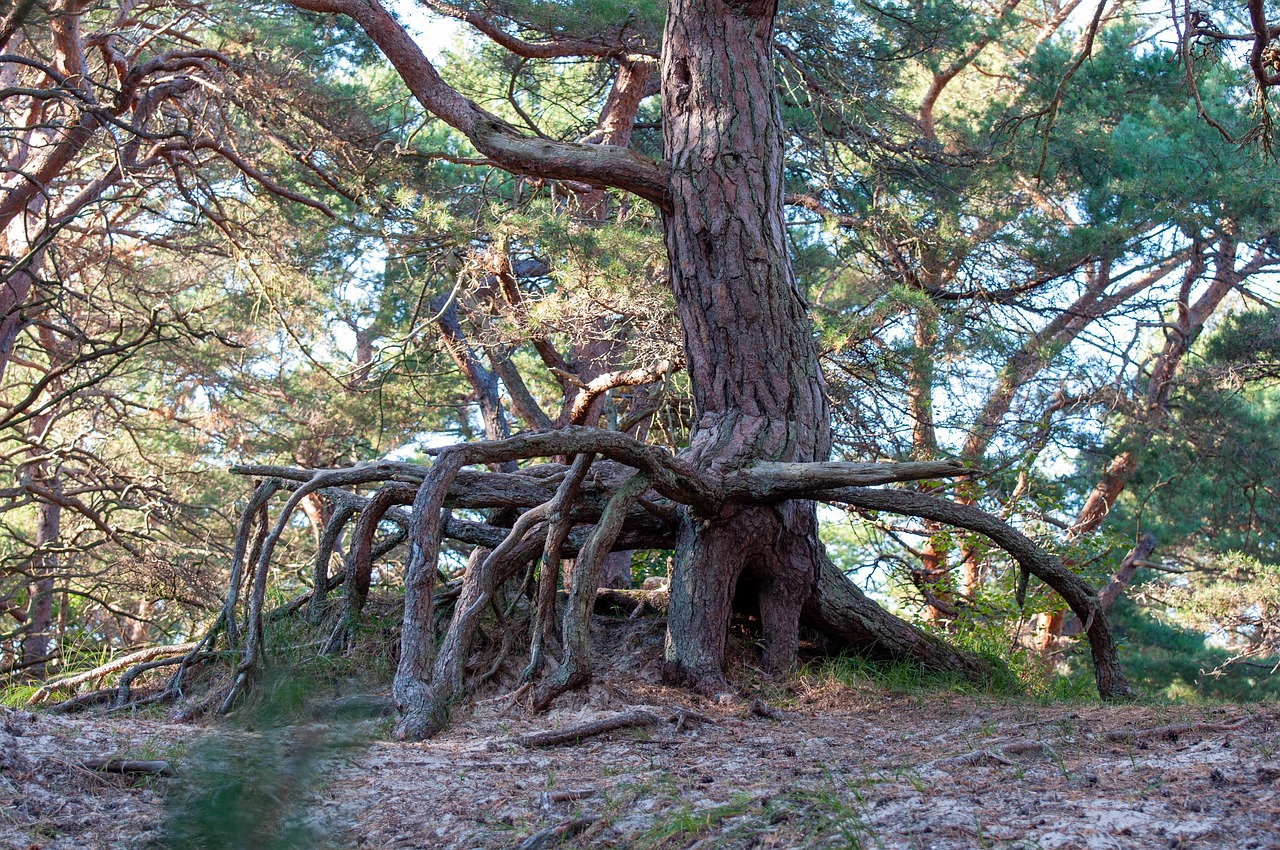 Continue reading →: The Secret Social Network of Trees: Fungi, Fighters, and Forest Survival
Trees are social entities that thrive through partnerships, particularly with fungi, forming a “forest Internet” that enhances nutrient exchange. While trees provide carbohydrates, fungi filter toxins and protect against rivals. This complex ecosystem faces threats from pollution and insects, illustrating that survival is rooted in collaboration rather than isolation.
-
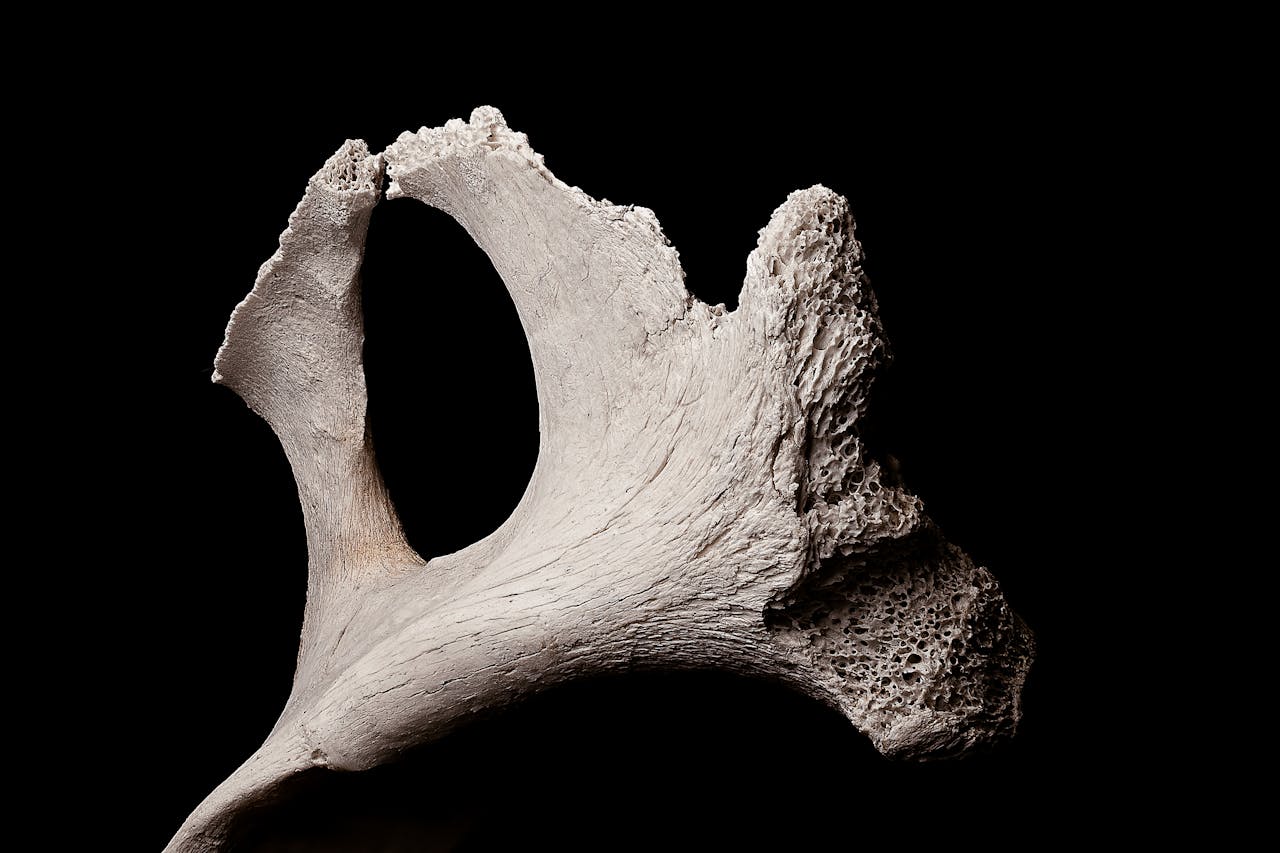 Continue reading →: Alive and Remodeling: The Lifelong Story of Your Cartilage Core
By week six of pregnancy, a tiny embryo is developing rapidly, showing early signs of facial features and limb formation. The skeleton begins as cartilage, evolving through a complex process of ossification. This adaptable structure continues to renew throughout life, facing challenges like bone loss in space, reflecting its resilience…
-
 Continue reading →: The Gaze of Power: Men’s Presence, Women’s Aura, and the World of Oil Painting
The piece explores the contrasting natures of male and female presence, highlighting how men’s power is external and commodifiable, while women’s presence emanates from self-perception. It parallels this with oil painting’s evolution, illustrating how art reflects societal values and commodification, revealing deeper gender dynamics in perception and influence.
-
 Continue reading →: The Viral Trap: How Likes and Algorithms Broke Us
Twitter and Facebook transformed media consumption by introducing features like timelines, ranking algorithms, and easy sharing options, fostering addictive content engagement. However, this virality, initially viewed as democratizing, now subjects users to relentless scrutiny and heightened emotional reactions, ultimately distorting societal connections and amplifying discontent through biased content propagation.
-
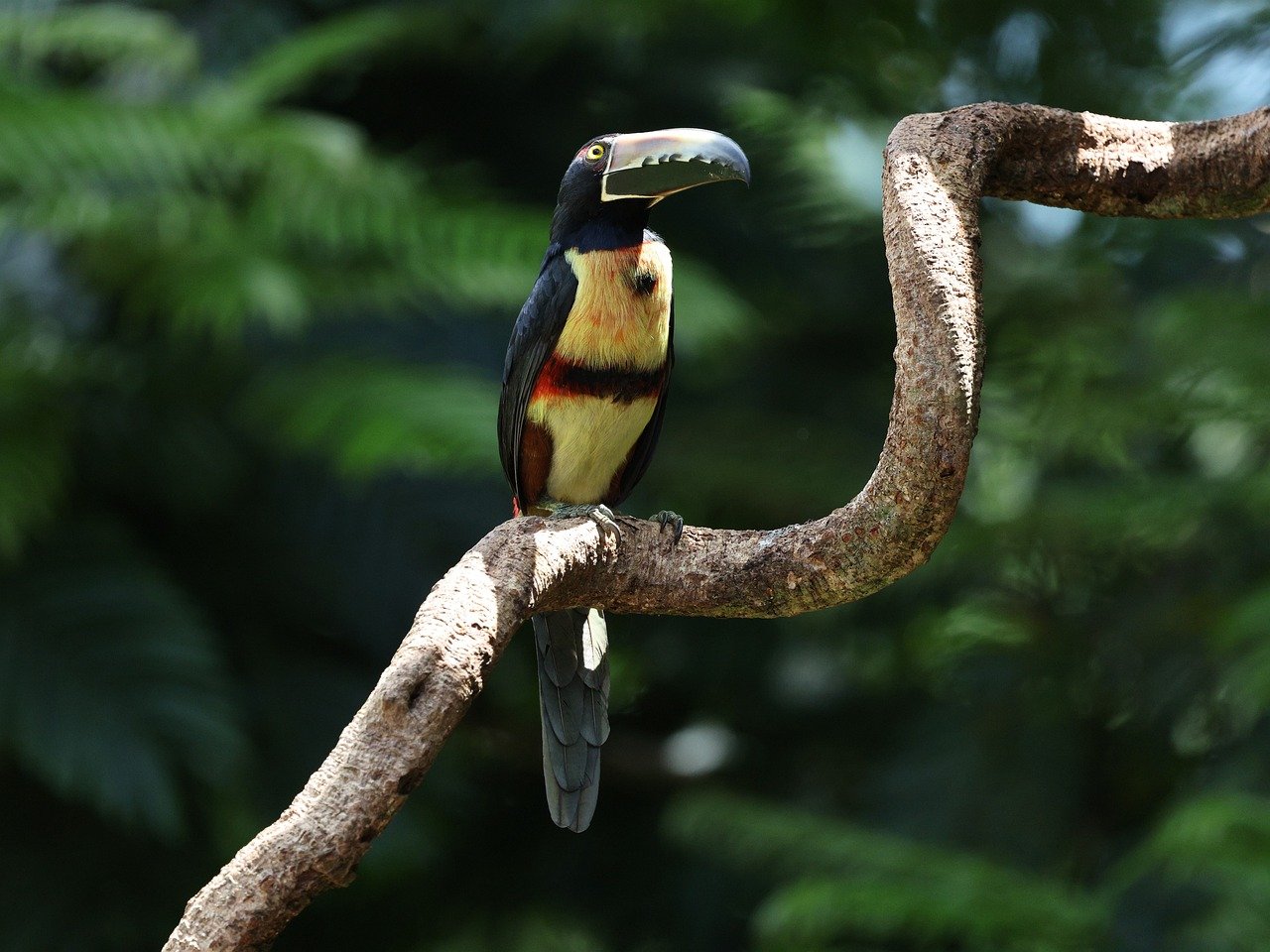 Continue reading →: Global Warming’s Hidden Winners: The Tropical Survivors
Global warming threatens cold-dependent species like polar bears as Arctic ice diminishes. However, tropical species may prove more resilient due to rapid evolution and specialized tolerances. The historical context of biodiversity highlights that while cold-adapted species face challenges with warming, many may cope better than those reliant on stable, icy…
-
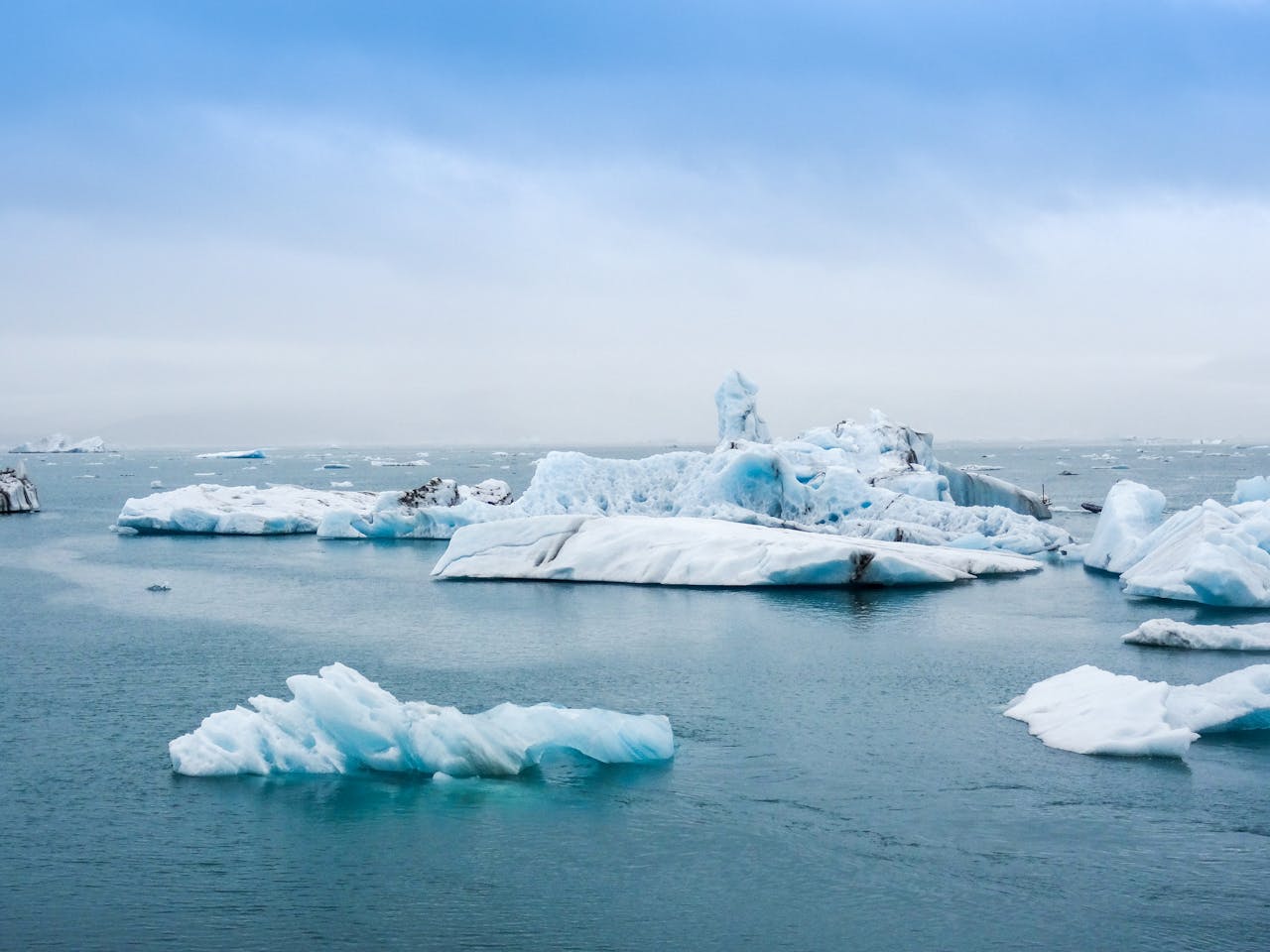 Continue reading →: Pioneers of the Frozen Frontier: Who First Touched the Arctic Ocean?
The Arctic region has a rich history of human settlement, beginning with Mongolic peoples arriving in Russia around 30,000 years ago and spreading across North America. WWII significantly impacted Arctic infrastructure, while the Soviet Gulag system industrialized Siberia. Today, West Siberia is vital for Russia’s energy sector, contrasting with nearby…
-
 Continue reading →: Beyond Mutations: Why Cancer’s Real Story Isn’t in Your DNA
The text highlights the misconception that genetic mutations solely cause cancer, arguing that understanding root causes is essential for effective treatment. It emphasizes the significance of epigenetics and environmental factors over mere genetic focus. True medical advances require a comprehensive view of disease origins rather than merely addressing symptoms or…
-
 Continue reading →: Why We’re Bad at Reading People—and Why That’s a Good Thing
The content discusses the challenges of accurately interpreting others’ thoughts, highlighting how biases, especially confirmation bias, hinder our understanding. While we struggle with lie detection, social relationships like friendship, often overlooked, offer significant emotional benefits. The complexity of friendships lies in their lack of formal structures, making them both fragile…
-
 Continue reading →: Unlocking the Magic of Hearing: How Our Ears and Brain Turn Sound into Sense
Hearing is vital for communication and connection. It involves detecting sound waves, which travel through the ears to the brain, transforming vibrations into nerve impulses. The auditory cortex processes these signals, enabling recognition of sounds and speech. This intricate mechanism illustrates how critical sound is for interaction and awareness in…
-
 Continue reading →: Stress, Aging, and the Hidden Biology of Depression
Stress accelerates aging through a complex neurochemical system. It disrupts mental well-being, contributing to conditions like chronic depression, which can lead to severe dysfunction and high suicide rates. Social support, predictability, and control are crucial for managing stress and resilience. Treatments target neurotransmitters but require understanding of individual factors.
Hello,
I’m Vaibhav

I am a science communicator and avid reader with a focus on Life Sciences. I write for my science blog covering topics like science, psychology, sociology, spirituality, and human experiences. I also share book recommendations on Life Sciences, aiming to inspire others to explore the world of science through literature. My work connects scientific knowledge with the broader themes of life and society.
Let’s connect
Recent posts






Biology Brain Brain Health Business Cancer Consciousness diet Disease DNA Ecology Economics Emotions environment Evolution food Genes Genetics Health Human Human Anatomy human body Human Brain life Lifestyle Medical Medicine Mental Health Mind Mindfulness Nature Neurology Neuropsychology Neuroscience Nutrition Philosophy Psychology Science Self Care Self Help Social Social Media Society Sociology Stress Wellness