-
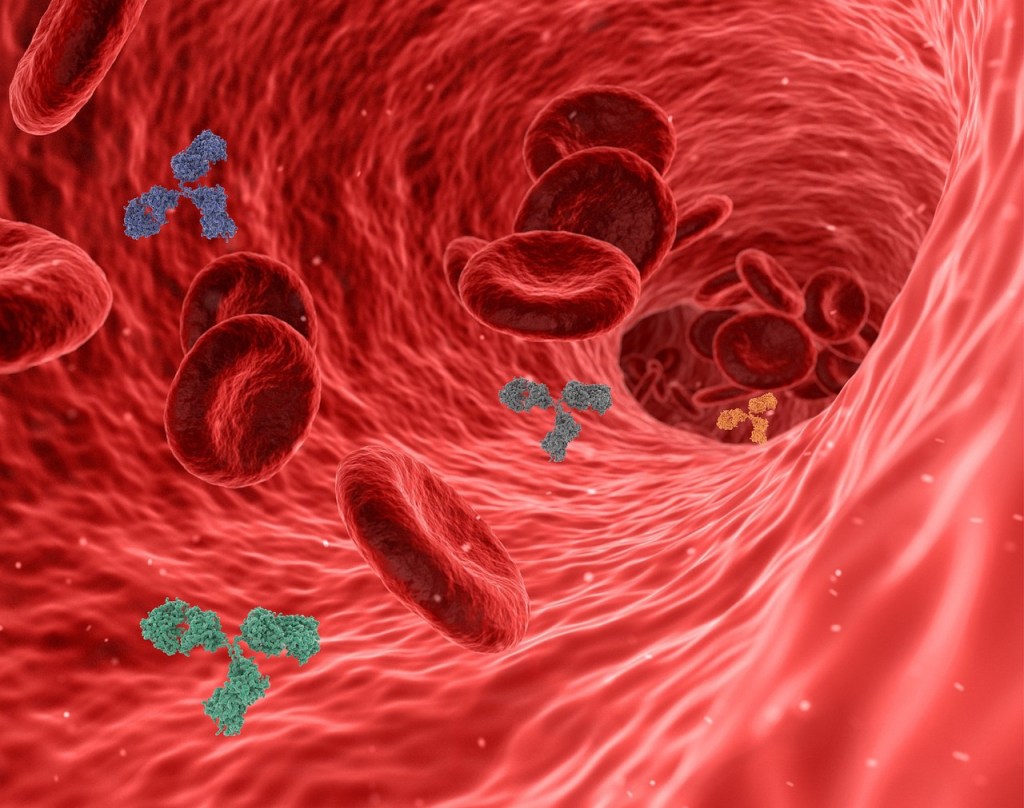 Continue reading →: The Role of Antibodies in Immune Response
The immune system relies on B and T cells to detect and combat pathogens. B cells produce antibodies when encountering antigens, creating a rapid defense clone army. T cells recognize infected cells, eliminate them, and facilitate long-term immunity. Together, these cells ensure a sophisticated response to disease while remaining prepared…
-
 Continue reading →: Exploring Melody, Timbre, and Musical Emotion
Pitch is a psychological concept linked to frequency and musical scale position, defining what a note is. Key elements in music include rhythm, tempo, contour, timbre, loudness, reverberation, meter, and melody, each contributing to the overall experience. Relationships among these musical elements create aesthetic and emotional depth, similar to visual…
-
 Continue reading →: Why Time Seems to Fly: The Truth Behind Our Experiences
The human brain’s bias and susceptibility, shaped by diverse factors throughout life, impact our perception of time and memory. As we age, our experiences become routine, leading to a sense of time speeding up. Engaging in novel activities can enhance memory, allowing us to feel more in control and enrich…
-
 Continue reading →: Toxic Thinking: Impact on Millennials’ Mental Health
The DLPFC’s overactivity leads to poor decision-making and emotional dysregulation, while important inputs from the amygdala are lost. Millennials face burnout due to competitive environments, high costs, and social media pressures, contributing to anxiety and despair. Limited mental health solutions exacerbate feelings of hopelessness, threatening overall well-being.
-
 Continue reading →: Mastering Sentence Structure for Better Communication
Bad grammar is usually a sign of something deeper amiss with the rhythm. More can go awry in a sentence than syntactical exactitude. Worse than the words being wrongly arranged is putting them in an order that neither moves nor sings. The sentence just limps and wheezes along to its…
-
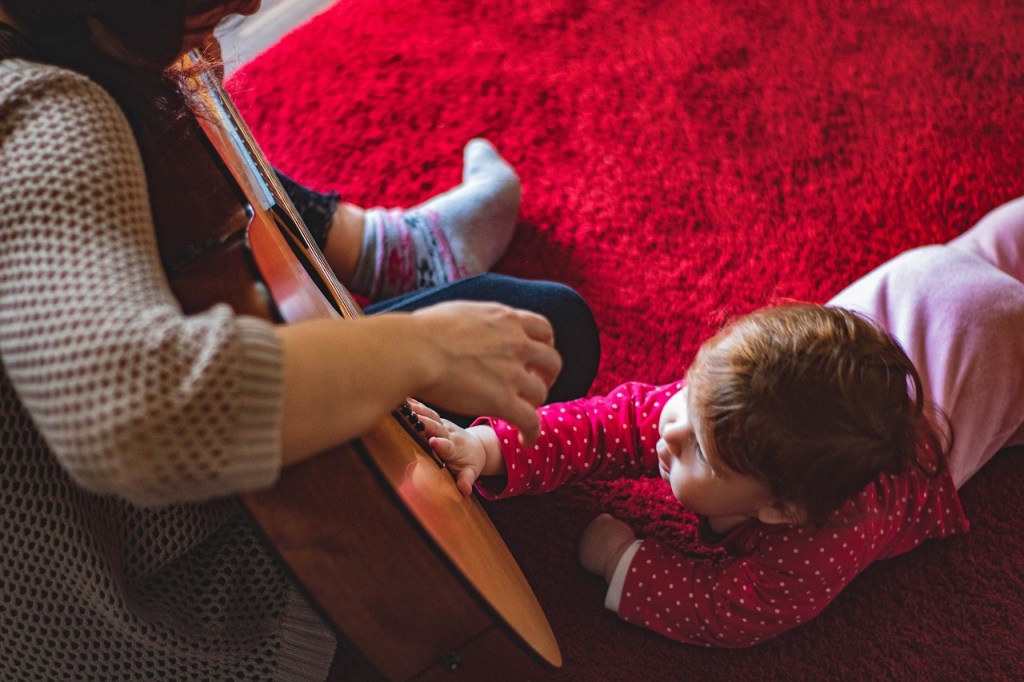 Continue reading →: Enhancing Child Development Through Brain Integration
Research in child development reveals that experiences shape a child’s brain through integration, enhancing emotional, social, and intellectual growth. Parental engagement fosters this integration, allowing children to navigate between chaos and rigidity. A balanced upbringing leads to healthier decision-making and stronger relationships, supporting overall mental health in children.
-
 Continue reading →: Harnessing Digital Notes for Enhanced Creative Thinking
Knowledge building blocks can be likened to LEGO; individually valuable yet combinable into complex ideas such as reports or stories. Technology enhances note-taking, allowing us to capture and rearrange concepts effortlessly. By curating and distilling this information, we declutter our minds, fostering creativity and clarity while improving our understanding of…
-
 Continue reading →: Understanding Emotional Memory: The Key to Post-Traumatic Growth
Memories are fragile, needing emotional engagement for consolidation. After trauma, early actions influence memory resilience. Engaging in visual spatial tasks may prevent intrusive memories. Post-traumatic growth can arise from struggle, especially through deliberate reflection. Those facing adversity might transform trauma into personal growth, requiring acceptance and active coping to integrate…
-
 Continue reading →: The Science of Neuroplasticity: Transforming Emotional Styles
Research in psychology and neuroscience often identifies average behavioral trends while neglecting outliers. Emotional Style, shaped by brain structure and neuroplasticity, can be altered through intentional mental practices. Although some emotional traits can hinder societal engagement, positive changes are possible, enabling individuals to improve their quality of life and relationships.
-
 Continue reading →: The Evolution of Economics: Nature Meets Market
The environment shapes evolution while the market reflects economic choices, both lacking centralized control. Human behavior, influenced by evolutionary past, includes both cooperation and competition. This duality leads to societal tensions over wealth inequality, prompting calls for government intervention. Thus, economics and morality intertwine through collective human experience.
Hello,
I’m Vaibhav

I am a science communicator and avid reader with a focus on Life Sciences. I write for my science blog covering topics like science, psychology, sociology, spirituality, and human experiences. I also share book recommendations on Life Sciences, aiming to inspire others to explore the world of science through literature. My work connects scientific knowledge with the broader themes of life and society.
Let’s connect
Recent posts






Behavior Biology Brain Brain Health Business Consciousness diet Disease DNA Ecology Emotions environment Evolution food Genes Genetics Health Human Anatomy Human Brain life Lifestyle Marketing Medical Medicine Mental Health Mind Mindfulness Nature Neurology Neuropsychology Neuroscience Nutrition Philosophy Psychology Science self-care Self Help Social Social Media Society Sociology Spirituality Stress Technology wellness
 Thinking Beyond Science