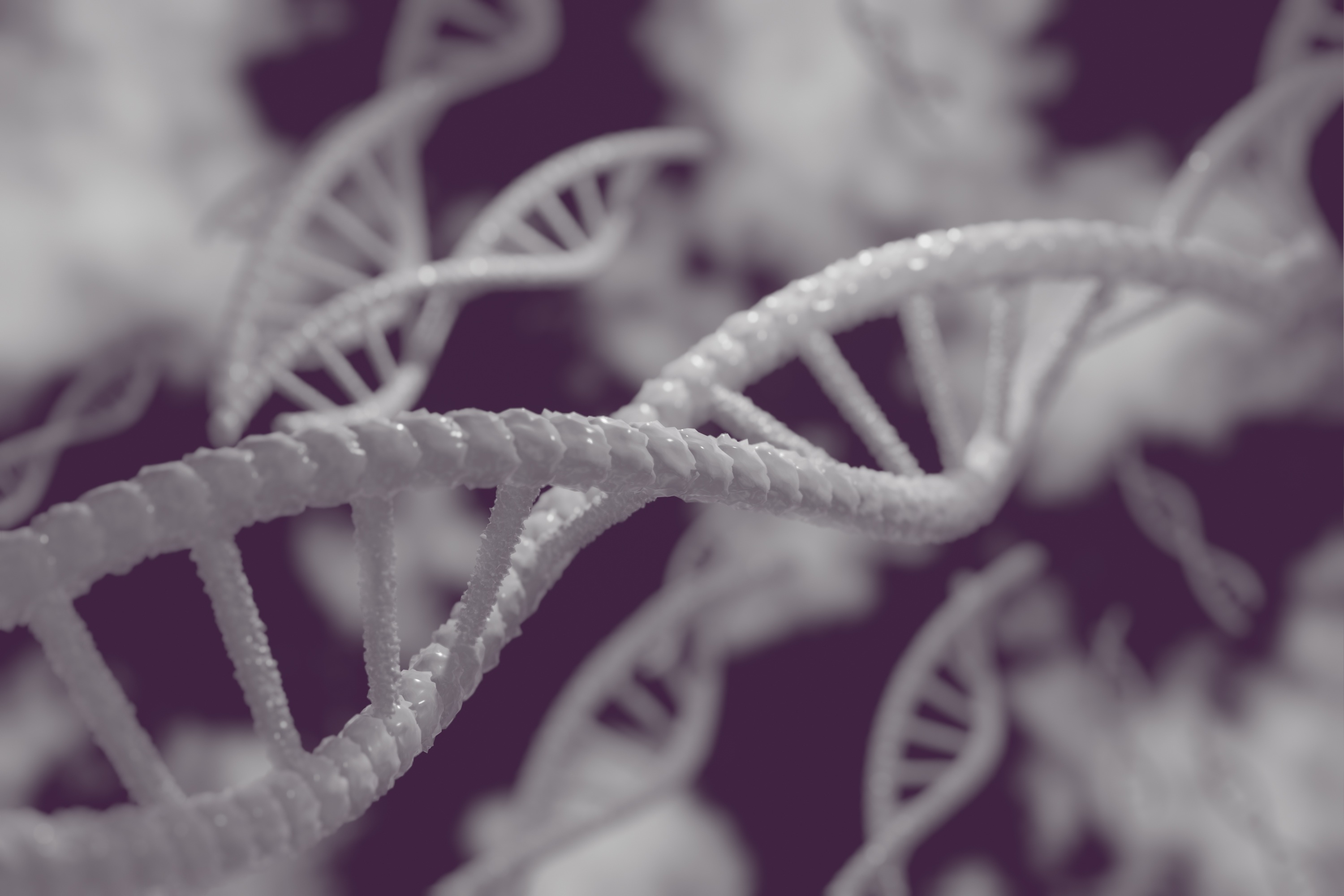
p53 may sound like a suburban bus route, but it’s one of the most important proteins in our cells — particularly when we talk about cancer and gene editing. Scientists often call p53 the “Guardian of the Genome,” and that grand nickname captures its role well. Our DNA is under constant threat from things like radiation, chemical exposure, and normal cellular accidents. When DNA is damaged, mistakes that are left unrepaired can become mutations and, over time, help trigger cancer. p53 acts as a quality-control officer: when it detects serious DNA damage it can pause a cell’s cycle to allow repair, or if the damage is too great, push the cell into programmed death so the problem doesn’t spread.
This protection, however, has consequences for modern medicine — especially when researchers try to change DNA deliberately. Tools for gene editing work by cutting DNA at precise locations and letting the cell’s repair systems do the rest. But those cuts look a lot like DNA damage to the cell. The same p53 response that protects us against cancer will often be activated, slowing or stopping cells that have been edited. That can explain why many gene-editing experiments never reach 100% efficiency: cells with fully functional p53 can prevent the changes from being fixed in their genomes. In other words, the very mechanism that reduces cancer risk can also reduce the success of precise genetic edits.
Understanding that trade-off is crucial when we consider the ethics and safety of editing the human genome. One major concern is germline editing — changing the DNA in eggs, sperm, or embryos so that a modification is passed down to future generations. Because drugs and therapies are rigorously screened to avoid altering DNA, the bar for genetic interventions is even higher. Regulators prioritize avoiding agents that cause mutations, particularly in germ cells, because any change there could be inherited and then passed on again.
Germline mutations happen naturally, even without pharmaceutical exposure. Eggs and sperm undergo complex biological events to develop, and errors are inevitable; men produce roughly 1,500 sperm every second, so the sheer number of cell divisions increases the chance of mistakes. Environmental factors also contribute. This background of unavoidable mutation helps explain why simple ideas such as “editing to create super-people” run into scientific and practical limits. Traits like height, athleticism, or attractiveness are shaped by many genetic variants, each with a small effect. Editing enough variants to make a predictable, safe change is currently infeasible; the genetic architecture of most desirable traits is far too complex.
That complexity is a mercy, too: the costs, risks and technical challenges make it unlikely gene editing will be used for cosmetic enhancements like selecting eye or hair color on a mass scale. The larger ethical debates instead focus on severe inherited disorders where the genetic cause is clear and devastating — and where targeted editing could, in principle, prevent profound suffering.
Lesch-Nyhan syndrome is a heartbreaking example of such a disorder. Almost exclusively affecting boys, this condition causes extremely high levels of uric acid that deposit in joints and kidneys, producing agonizing pain similar to severe adult gout. Worse, it leads to neurological symptoms including compulsive self-injury; many affected children require physical restraints to prevent severe harm. Most do not survive past their teenage years, with kidney failure a common cause of death. The severity of Lesch-Nyhan raises a painful ethical dilemma: if we could correct the underlying genetic defect, should we? If so, how, and when?
Even when the target is clear, practical hurdles remain. For many neurological conditions the key cells are neurons — cells that do not divide and are protected by the brain’s special barriers. Delivering gene-editing tools efficiently and safely into neurons is difficult, and editing efficiency is lower in non-dividing cells. So even with promising tools under development, correcting the genetic defects that cause conditions like Lesch-Nyhan throughout the brain would be enormously challenging.
Meanwhile, newborn screening programs already show how early intervention can transform lives for certain conditions. In the UK, the “heel prick” test at about five days old uses four drops of blood to screen for nine rare disorders, including cystic fibrosis and congenital hypothyroidism. Early detection allows timely treatments — antibiotics for infection-prone infants with cystic fibrosis, or hormone replacement for babies with hypothyroidism — dramatically improving survival and quality of life without any genome editing.
That contrast is important: many effective existing medical approaches treat the symptoms or biochemical consequences of a genetic disorder, rather than rewriting DNA. Drugs are designed to modify protein activity or replace missing proteins, not to alter the genome. The rigorous checks to ensure they don’t cause DNA changes are part of why many therapies are safe across generations.
The p53 story underscores a broader theme: biology evolved robust systems to protect organisms from damage. Those systems can both help and hamper us. They push researchers to be cautious, and rightly so, because we must balance potential cures against long-term safety and ethical considerations. For devastating diseases with simple, well-understood genetic causes, the promise of gene editing is real — but the road from laboratory technique to safe, equitable therapy is long, technically complex and full of ethical checkpoints.
As science advances, society must weigh not only what is possible, but what should be done, when, and for whom. The guardian in our cells, p53, is a useful reminder that protection sometimes looks like resistance — and that any powerful medical tool requires careful stewardship.
Source – Hacking the Code of Life: How gene editing will rewrite our futures byNessa Carey
Goodreads –https://www.goodreads.com/book/show/43359681-hacking-the-code-of-life
Read the Previous Article in the Series :







Leave a Reply