
Your Energy Doesn’t Lie
Have you ever walked away from a conversation feeling lighter — almost electric — and then on another day, after talking to someone else, felt like you needed a three-hour nap?
That’s not coincidence. That’s information.
Energy is contagious, and we absorb more from our interactions than we consciously realize. This isn’t exclusive to introverts. Extroverts deplete too. The variable isn’t your personality type — it’s your social style and how it aligns with the people around you.
After your next conversation, pause and ask yourself a few honest questions:
- Did you feel restored or drained?
- Were you anxious or at ease?
- Did you learn something new — about them, or about yourself?
- Were you comfortable with what was being discussed, or did something trigger you?
- Did you enjoy it?
- And if you had to do it again, what would you do differently?
These aren’t overthinking exercises. They’re data points. Your answers reveal patterns — and patterns, once noticed, give you the power to choose more consciously.
Rethinking Who You Call a Friend
Most of us built our early friendships by default. School put us in rooms with people our age, and proximity did the rest. But adulthood opens something wider, if you’re willing to look.
Consider cross-generational friendships. A colleague a decade older than you might offer perspective you can’t get from your peer group. A younger friend might challenge assumptions you didn’t know you were carrying. Age gaps that feel awkward at first often dissolve into some of the most grounding relationships you’ll have.
Don’t let lifestyle differences close the door before you’ve even knocked. Having kids, not having kids, being married, being single — these feel like walls, but they rarely are. The things that make a friendship meaningful — curiosity, honesty, humor, shared values — don’t require matching life circumstances.
Stay open to where friendships begin. A colleague. A classmate. Someone in the grocery store checkout line. A mutual friend’s introduction that you almost declined. The best connections rarely announce themselves. Let yourself be surprised.
Move online friendships into the real world. If you find yourself consistently exchanging messages with someone — if there’s a warmth and a rhythm to it — don’t leave it there. Exchange numbers. Meet for coffee. See what the relationship becomes when it has more room to breathe.
Your Body Has Been Trying to Tell You Something
Stress doesn’t just live in your mind. It writes itself onto your body.
Headaches. Stomachaches. Rashes. Panic attacks. Nausea. Sweating. Stuttering. Twitches.
These aren’t random. They are your body’s way of flagging something your conscious mind might be working hard to ignore. If you become anxious in someone’s presence, that’s worth sitting with. If certain social situations leave you physically unsettled, that physical response is a message — not a malfunction.
Listen for it. Decode it. See a doctor when you need to. And please, don’t dismiss it.
On Sharing Good News (Without It Becoming a Performance)
There’s a quiet social anxiety that comes with good news: Will this come across as bragging?
The truth is, sharing your achievements isn’t bragging — unless you’re doing it to establish superiority over someone else. What matters is your awareness of the room. Your audience and your timing are everything.
Before sharing something significant, ask yourself:
- Is this the right moment?
- Given what I know about this person’s situation, is this something they can receive right now?
This isn’t about hiding your life. It’s about thoughtfulness. Telling a friend who’s struggling with fertility that you’re pregnant isn’t wrong — but it will require care, sensitivity, and space for whatever comes after.
Some information is simply complex for others to receive, even when no harm is intended.
Letting Go Is Not a Failure
We carry a lot of guilt about outgrown relationships.
But guilt isn’t always a moral signal. Sometimes it’s just discomfort — the discomfort of admitting that a relationship has run its course, or that you are simply not your best self with a particular person in your life.
That’s not a verdict on them, and it’s not a verdict on you. Some combinations just don’t work. Some relationships aren’t a good fit, aren’t what you need, and aren’t meant to last — and that’s allowed.
Holding on past the point of real connection doesn’t honor either of you.
Relationships Are Mirrors
Here is something worth taking seriously: every relationship you have is teaching you something about yourself.
Notice what you like and what you don’t. Notice how you feel around specific people. Notice where you’ve grown, and where you still resist growth. Notice when you’re being challenged in a way that’s productive versus a way that’s simply harmful.
If you stop paying attention to what your relationships are reflecting back at you, you’ll recreate the same dynamics again and again — different people, same patterns. The lesson will keep returning until you learn it.
Not Everyone Will Like You — And That’s Fine
This one stings, but it’s worth saying plainly: you are not for everyone.
The moment you genuinely internalize that, something relaxes. You stop working so hard to be palatable. You stop shrinking or performing. And — importantly — you stop being blindsided or offended when someone simply isn’t drawn to you.
What people like about you is personal to them. What they dislike about you is about them.
You don’t need universal approval to be worth something.
Think for Yourself, Especially Online
We live in an era of relentless advice — from social media, wellness content, productivity gurus, and well-meaning strangers on the internet.
Not all of it is wrong. But very little of it is tailored to you.
Most advice is general. Your life is specific. Applying generic solutions to particular problems rarely works, and doing it unconsciously — scrolling and absorbing without pausing to evaluate — gradually erodes your capacity for independent judgment.
Ask yourself, before you follow: Does this actually apply to my situation? Critical thinking isn’t cynicism. It’s self-respect.
Anxiety Lies — Learn to Cross-Examine It
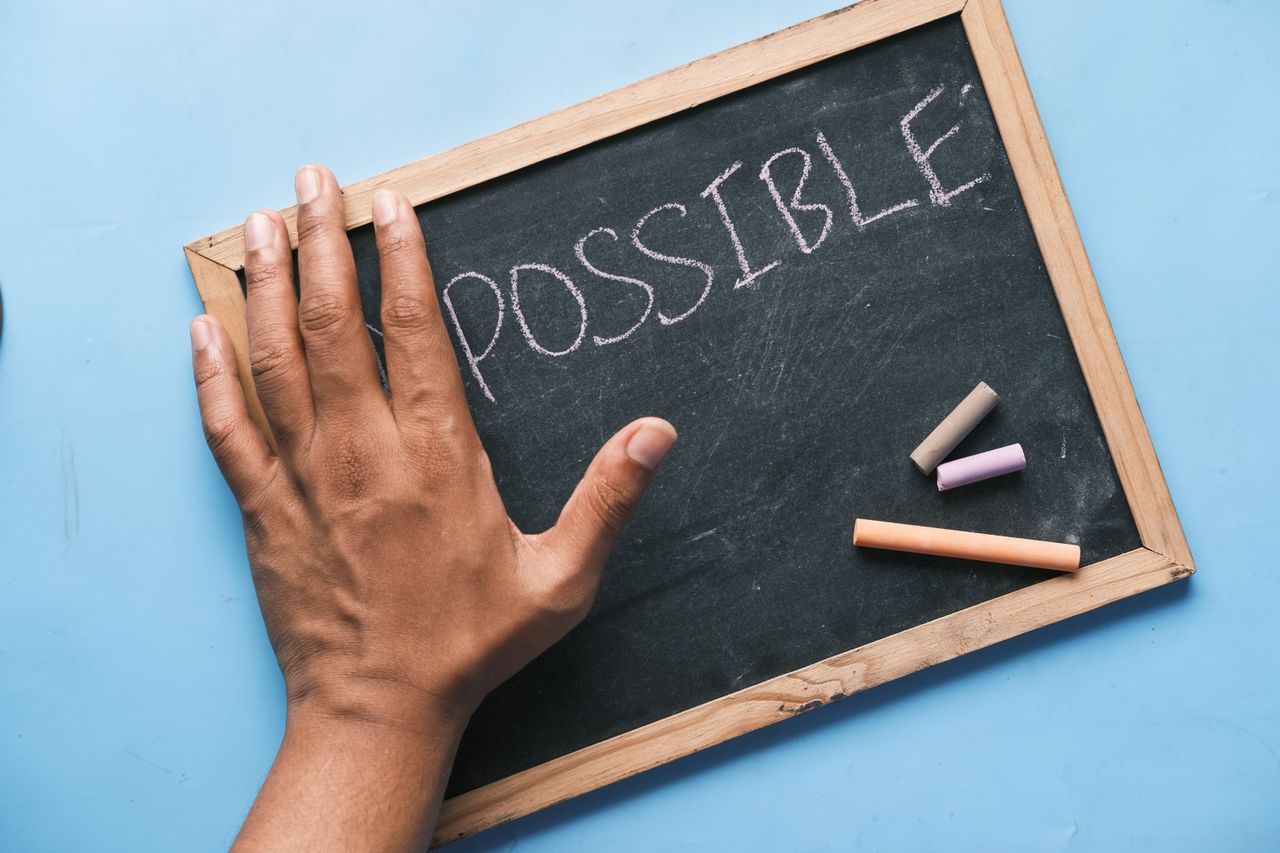
Anxiety distorts probability. When you’re in its grip, almost anything feels not just possible but imminent.
The plane will crash. The relationship will fail. Something will go wrong.
These things are possible. Most of them are not probable.
Learning to distinguish the two is one of the more powerful tools you can develop. When anxious thoughts arrive, ask yourself: Is this dangerous, or am I afraid? Anxiety makes things seem unsafe. Fear grounded in reality tells you something useful. Fear generated by anxiety is a false alarm — and it deserves to be questioned, not obeyed.
Listen to what you think and say when you feel ambivalent, suspicious, or confused. Sometimes the things that are genuinely good for us feel threatening when we’re anxious. Sit with that discomfort before you act on it.
You Are Allowed to Have Needs
If you grew up in an environment where your emotional needs weren’t consistently met, you likely learned a quiet and painful lesson: wanting things from people is an imposition.
That lesson was wrong.
Asking for what you need isn’t a burden you’re placing on someone. It’s how relationships work. When you feel guilty for speaking up, that guilt is a residue of past experience — not a signal that you’re doing something wrong. It simply means that expressing your needs is new, and new things feel uncomfortable before they feel natural.
You deserve to be supported. You deserve people who can meet you where you are. The fact that some people in your past couldn’t do that doesn’t mean no one can.
Find those people. Trust them, slowly. Let them show you what it feels like to have your needs actually met.
Your relationships — all of them, the nourishing ones and the difficult ones, the ones that lasted decades and the ones that burned out fast — are some of the richest sources of self-knowledge you have.
Pay attention to them. Pay attention to yourself within them.
That’s where you’ll find out who you are.
Source : Consider This: Reflections for Finding Peace by Nedra Glover Tawwab
Goodreads : https://www.goodreads.com/book/show/204324202-consider-this
Get it on Amazon Com : https://amzn.to/45P736b
Get it on Amazon IN : https://link.amazon/B0eZP3Wpc






Leave a Reply